



Energy-efficient glazing
Description
People have always sought maximum comfort at lower cost. A large share of heat loss in a home occurs through windows — particularly through the glass — rather than through walls, floors or ceilings.
Even excellent airtight windows can lose heat through the glass in the form of infrared radiation.
This is why energy-efficient glass is widely used in modern construction.
Energy-efficient glass represents roughly 80–90% of modern glazing use, and in some advanced markets it is effectively universal. In countries such as Germany, manufacturers are required to explain its purpose and benefits to customers.
What is energy-efficient glass, and how is it different from ordinary glass?
As noted above, heat escapes through glass as infrared radiation, which is invisible to the human eye. Some animals and birds can perceive parts of the infrared spectrum.
People, animals and warm objects — furniture, walls, floors and radiators — emit infrared energy. The goal is to keep that energy indoors.
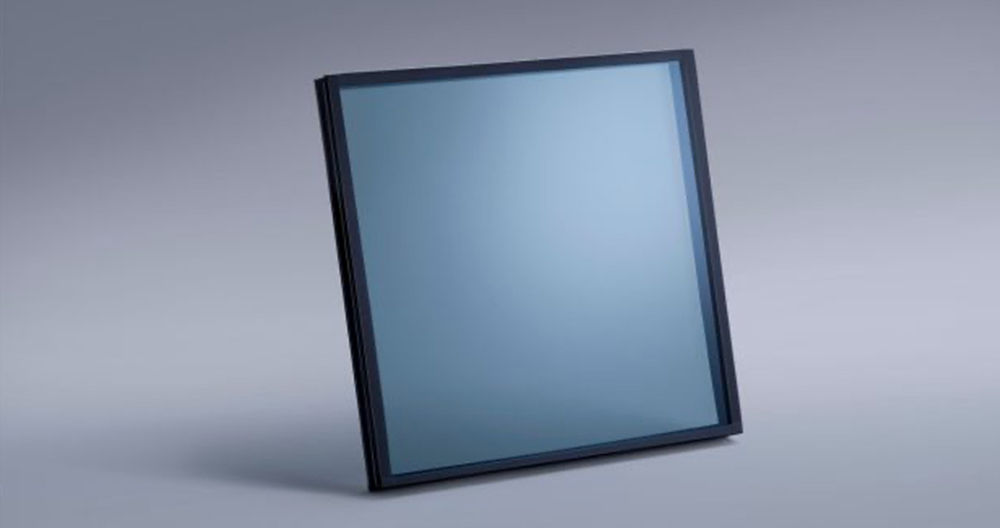
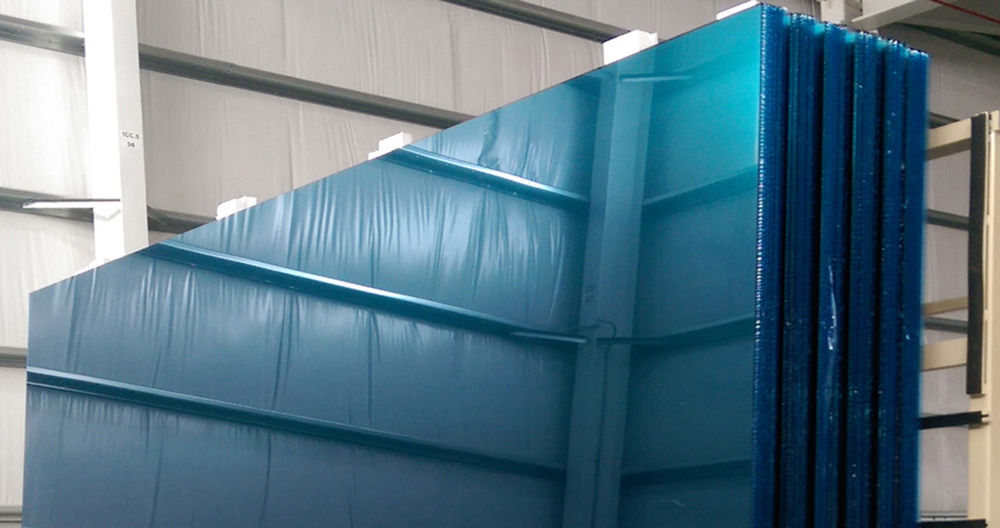
Energy-efficient glass has an invisible coating of microscopic silver particles that reflects infrared energy and reduces heat loss.
Choose windows with energy-efficient glass and reduce heating costs.